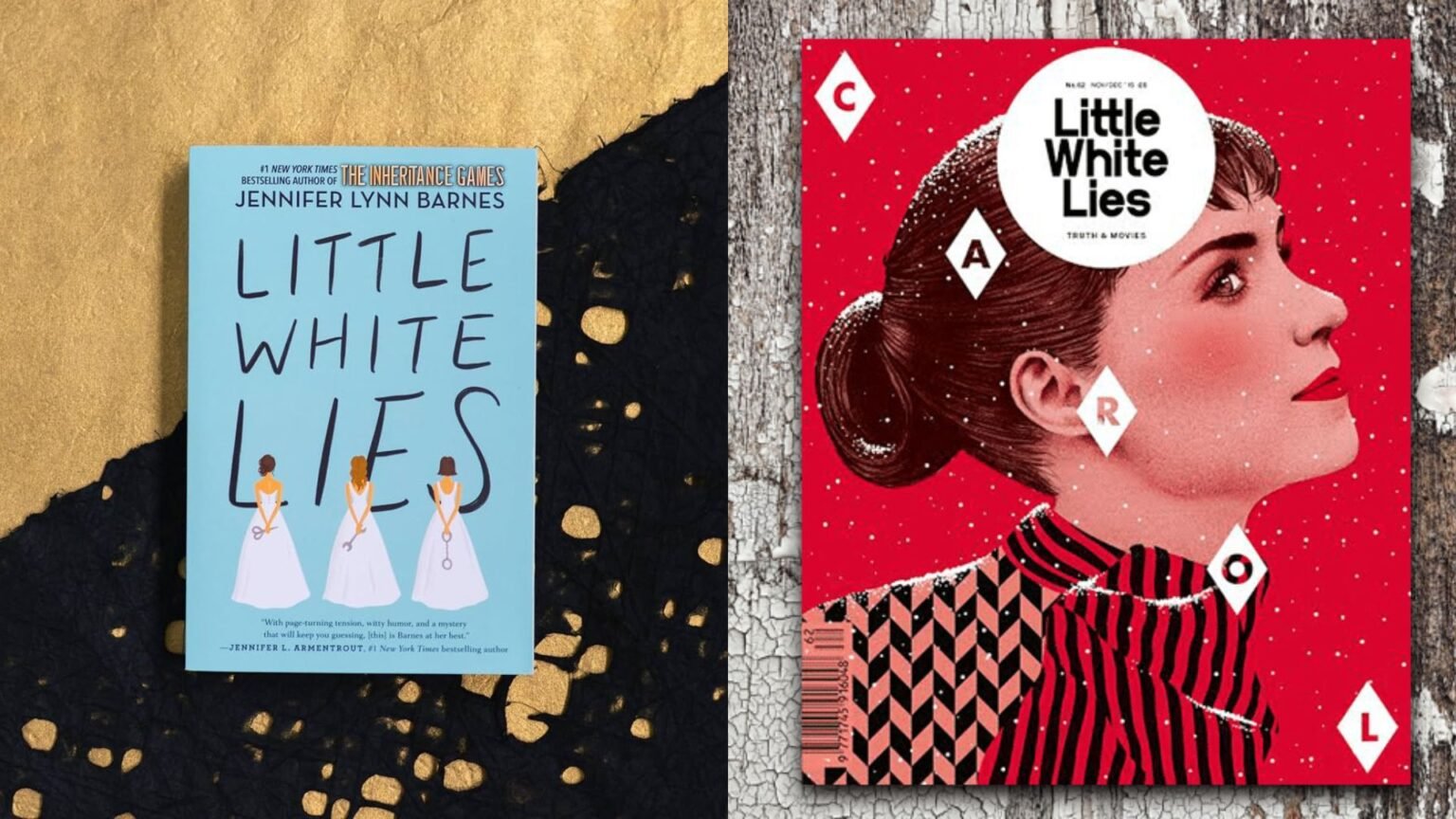
Little White Lies is a British film magazine and website that has built a distinctive reputation through thoughtful movie criticism, striking illustration, interviews, and carefully curated film journalism. Established in 2005, the publication describes itself as a print magazine committed to championing great movies and the people who make them.
For readers who want more than conventional movie news or quick ratings, the publication offers a different way to engage with cinema. Its editorial approach combines criticism with visual design, cultural commentary, interviews, and essays, making each issue feel like a focused celebration of film rather than a collection of disconnected reviews.
What Is Little White Lies?
Little White Lies is an independent movie magazine founded in the United Kingdom in 2005. It is closely associated with London-based creative publishing and has developed both a print and digital presence. The magazine is particularly recognizable for its illustration-led identity and its relationship between editorial content and cover-film themes.
Unlike publications primarily focused on celebrity news, box-office reports, or entertainment gossip, Little White Lies approaches movies as a creative and cultural medium. Its coverage can include reviews, interviews, features, criticism, and stories connected to filmmaking and wider culture.
That combination helps explain why Little White Lies has attracted readers who are interested not only in what films are worth watching but also in how cinema connects with art, ideas, people, and contemporary culture.
Why Little White Lies Stands Out
A major part of the magazine’s identity is its visual presentation. Each issue traditionally develops its design around a particular cover film, allowing the chosen movie to influence the artwork and editorial direction of the publication.
This approach makes the physical magazine feel more like a designed object than a disposable entertainment publication. Illustration is not simply decoration; it forms part of the publication’s personality.
The magazine also uses a distinctive three-part review system. Its official description says the reviews use a tripartite ranking approach designed to capture different aspects of the movie-going experience.
| Feature | What Readers Can Expect |
|---|---|
| Film reviews | Critical discussion of new and significant movies |
| Interviews | Conversations with filmmakers and creative talent |
| Illustration | Strong visual identity and original artwork |
| Themed issues | Editorial and design elements connected to a central film |
| Digital content | Online articles, recommendations, and film-related features |
This combination gives the publication a recognizable editorial voice without reducing movies to a simple numerical score.
A Magazine Built Around Cinema
The idea behind Little White Lies is especially visible in its themed issues. Rather than treating a cover film as merely an image used to sell a magazine, the publication can build editorial and visual material around that movie.
Past issues have focused on films and filmmakers ranging from Guillermo del Toro’s Frankenstein to other major contemporary and classic works. The magazine’s current issue archive continues this tradition of connecting its cover subject with interviews, reviews, features, and artwork.
💡 Pro Tip:
If you are choosing between a conventional movie review site and a film magazine, look at the publication’s recent issue archive first. It quickly shows whether its editorial taste, writing style, and visual approach match your interests.
What Kind of Content Does Little White Lies Publish?
Little White Lies covers considerably more than straightforward movie reviews. Its editorial mix can include filmmaker interviews, essays, criticism, cultural features, and coverage of films at different stages of their release or development.
The magazine’s official material emphasizes its commitment to both movies and the talented people who create them. That means directors, writers, actors, designers, cinematographers, and other creative contributors can become part of the editorial conversation.
Its website extends that philosophy beyond the printed publication. Readers can find film criticism and features online while the print magazine provides a more curated, collectible format.
For film enthusiasts, this creates two complementary experiences: digital content that is convenient to access and physical issues that place greater emphasis on design and long-form engagement.
Is Little White Lies Good for Film Reviews?
For readers who prefer contextual criticism over simple recommendations, Little White Lies can be particularly appealing. Its review approach is designed around several dimensions of the viewing experience rather than treating a movie as a single number.
That matters because a film can succeed in one area while being less effective in another. A review system that separates different reactions can communicate more nuance than a single score.
The publication’s tone is also part of its appeal. It generally positions cinema as something to explore and discuss rather than simply consume. This makes its reviews useful for readers who want to understand the artistic choices, themes, performances, and broader ideas behind a movie.
Who Reads Little White Lies?
The publication is naturally suited to cinephiles, film students, creative professionals, magazine collectors, and readers who enjoy independent or visually distinctive publishing. Its readership can also include people who simply want a deeper relationship with movies.
The magazine has previously described its audience in terms that include movie lovers, magazine enthusiasts, and aesthetes.
That audience profile helps explain its balance between accessibility and serious film discussion. You do not need to be a film scholar to enjoy it, but readers who already have an interest in cinema can find plenty of material to explore.
Print Magazine or Digital Content?
The choice depends on how you like to consume film journalism.
The digital side is convenient for discovering reviews, interviews, essays, and recommendations without waiting for a physical issue. The print edition, meanwhile, offers the visual experience that has become central to the brand. The official magazine page states that digital editions are available through platforms including Zinio, Readly, Pocketmags, and Apple News+.
For collectors, the physical magazine can have an additional attraction because its cover artwork and issue-specific design give individual editions a visual identity.
📌 Key Takeaway: Little White Lies is best understood as a film publication that combines criticism, journalism, illustration, and design. Its strength is not simply telling readers which movies to watch; it creates a broader editorial experience around cinema.
Frequently Asked Questions
What is Little White Lies magazine?
Little White Lies is a British film magazine established in 2005. It covers movies through reviews, interviews, essays, features, and illustration. Its print issues are often organized around a particular cover film, giving each edition a distinctive editorial and visual identity.
Is Little White Lies a British magazine?
Yes. The publication was founded in the United Kingdom and is associated with London-based publishing. Although its roots are British, the magazine has an international audience and is available digitally as well as through print distribution.
Does Little White Lies review new movies?
Yes. Movie reviews are a central part of its editorial output. The publication also covers interviews, features, essays, and other forms of film journalism, so readers can explore movies beyond a basic review or rating.
Where can I read Little White Lies?
Readers can access its website for digital articles and can also obtain print or digital editions. The magazine’s official site lists several digital platforms where its editions are available, including Zinio, Readly, Pocketmags, and Apple News+.
Why is Little White Lies known for its covers?
Its covers are closely connected to the publication’s illustration-driven identity. Issues are built around selected films, and the visual concept can influence the wider design of the magazine. This has helped make individual issues recognizable beyond their editorial content.
A Distinctive Place in Film Journalism
Little White Lies has maintained a recognizable position in film publishing by refusing to separate criticism from design and creativity. Since its launch in 2005, it has developed an identity built around movies, illustration, journalism, and a strong appreciation for the people who make cinema.
For readers searching for Little White Lies, the appeal is therefore broader than finding another source of movie ratings. It is a publication for exploring films through criticism, conversation, visual culture, and creative storytelling. That distinctive combination is what continues to give the magazine its place in modern film journalism.
Conclusion
Little White Lies has earned its place in film journalism by bringing together thoughtful criticism, filmmaker interviews, striking illustration, and carefully curated magazine design. Rather than focusing only on ratings or entertainment news, the publication encourages readers to look at cinema from artistic and cultural perspectives. For anyone who enjoys discovering films and exploring the ideas behind them, Little White Lies remains a distinctive source of film coverage.